



FROM RABBI LIEBERMAN
Reflections on the Israel – Gaza War
The Israel - Gaza War The murderous terror attacks on Israel took place on October 7 when we, as a community, were celebrating Simchat Torah. As the news came pouring in we were stunned, horrified and made heartsick. In anticipation of our tenth-of-the-month-prior-to-publication-deadline, I wrote a draft of a [...]

Reflections on PRIDE Month 2023
I am writing this column in early June, at the beginning of LGBTQ PRIDE Month. As many of you know, over the course of my rabbinic career I have been committed to supporting the rights of the LGBTQ community here on Cape Cod and beyond and working for the [...]
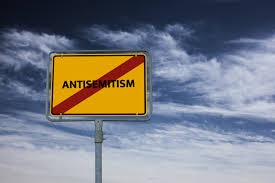
Responding to antisemitism
Responding to antisemitism On a daily basis, I receive an e-mail message from the Secure Community Network (SCN), the official safety and security organization of the Jewish community in North America. SCN has provided invaluable training and information to Jewish communities like ours, helping to identity potential dangers, and [...]

A rivulet, a stream, a river…a deluge.
A rivulet, a stream, a river...a deluge Advice from a Raindrop Kim Stafford You think you’re too small to make a difference? Tell me about it. You think you’re helpless, at the mercy of forces beyond your control? Been there. Think you’re doomed to disappear, just one small voice [...]
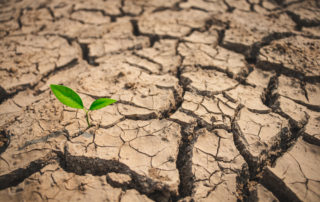
Spiritual Drought
Spiritual Drought As I write these words, I look out my window at a much longed-for rainy day. Cape Cod has been experiencing a hot, dry summer and because all of the Cape draws upon a single-source aquifer. in times of near-drought water restrictions are imposed on an ever-increasing [...]
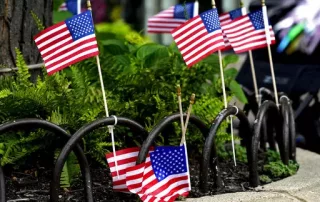
4th of July
4th of July [Please note: this column was written and published in our print version of our Newsletter, before the murderous shootings that took place in Highland Park, IL on July 4, 2022. The need has never felt greater to find "the gate that swings open to the joy [...]